With a new twice-weekly service linking Shannon to the beautiful Portuguese island of Madeira, there has never been a better time to discover this jewel of the Atlantic.
Part of a small archipelago located north of the Canary Islands, Madeira is the perfect spot to enjoy some culture and adventure. With a fascinating history and breathtaking landscapes, you will be spoiled for choice when it comes to activities.
Funchal, the capital, boasts a baroque old town and a plethora of museums, celebrating everything from Madeiran art and music to the sporting career of Cristiano Ronaldo, who keeps his large collection of trophies in a purpose-built facility in the city of his birth.
While in Funchal, the local farmers’ market - Mercado dos Lavradores - is a must-see. This indoor market, arranged over two floors, features flowers, fruit and fish, and encapsulates the island’s spectacular variety of produce and plant life.
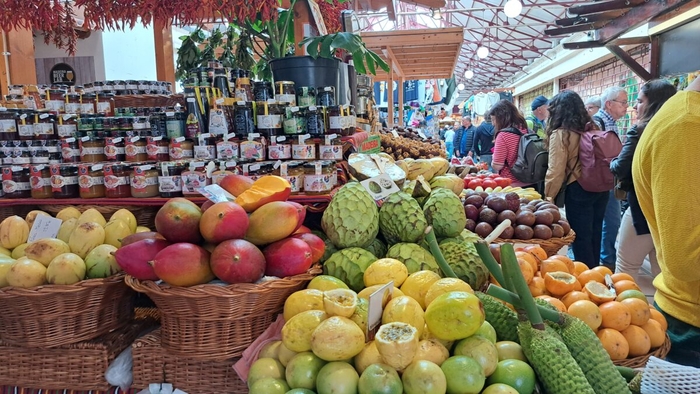
The landscape here has been seeded over the millennia by migrating birds from around the world, and as a result, Madeira is home to plants from Africa, the Americas, and Europe. This, in turn, has given rise to an incredibly diverse agriculture and a really exciting food culture on the island.
Madeira is famed for its bananas, which are smaller and sweeter than those grown elsewhere. There is even a banana museum, BAM, about 20km along the coast from the capital, where you can learn all about the island’s banana growing industry and its history.
You can also discover many new fruits at the Lavradores, such as banana passionfruit, named after the fruits it looks and tastes like, respectively, and the custard apple, which tastes like vanilla and naturally segments itself into bite-sized pieces as it ripens.
Fish is another important element of the local cuisine, and at the market you can watch experts prepare the local speciality, black scabbardfish, which is traditionally served fried with banana (yes, really ).
After touring the market, you can enjoy the local seafood at the adjacent Peixaria no Mercado, a lively fish restaurant where staff will bring a selection of the day’s catch to your table to choose from.
Madeira is best known for its fortified wine, and the best-known producer of Madeira wine is the Blandy family. Established in 1811, Blandy’s has a wine lodge and museum in the city centre, and a working vineyard at Quinta de Santa Luzia on the outskirts of Funchal, which offers both accommodation and guided tours of the vineyard with wine tasting.
A vineyard tour is an excellent way to discover Madeira’s fascinating history of wine production, and if you purchase wine from Blandy’s you can arrange to collect it at the airport at the end of your stay.
With a dramatic mountainous landscape carved by volcanoes and cultivated into terraces for agriculture, Madeira is the perfect spot to enjoy the great outdoors. The tiny irrigation canals or levadas that criss-cross the island - bringing much-needed water from the relatively humid north of the island to the drier, and more densely populated, south - also offer ideal walking routes. There are also plenty of tour options if you prefer sightseeing in a vehicle, from guided tours of the island by Jeep or electric bike to a cable car in which you can explore Funchal from the air.
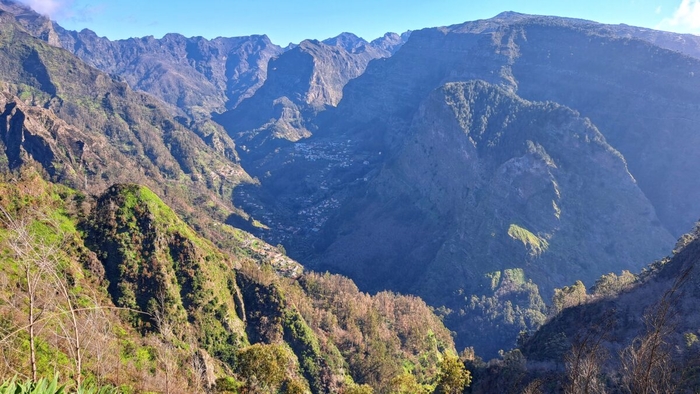
The island’s landscape is simply breathtaking - sharp volcanic peaks give way to precipitous valleys where you will find tiny villages, ancient forests, and the terraces painstakingly built by generations of farmers to make agriculture possible in this impossible topography.
Madeira was uninhabited until Portuguese adventurers arrived in the 15th century, and while much of the ancient laurel forest that covered the island before this has been cleared to the south of the island, the north is still home to the 20-million-year-old Laurissilva forest, now a UNESCO World Heritage Site.
To the centre of the island, you can explore the Nuns’ Valley, a 16th century convent and settlement built in the crater of an extinct volcano, and only accessible by one road until recent years, when a tunnel was excavated to connect this tiny village to Funchal.
Most of Madeira’s some 250,000 inhabitants live along its southern coast, and there are lots of seaside villages to explore including Ponta do Sol, so named as it is the sunniest place on the island, and the picturesque fishing village of Camara de Lobos, which counts Winston Churchill among its former residents.
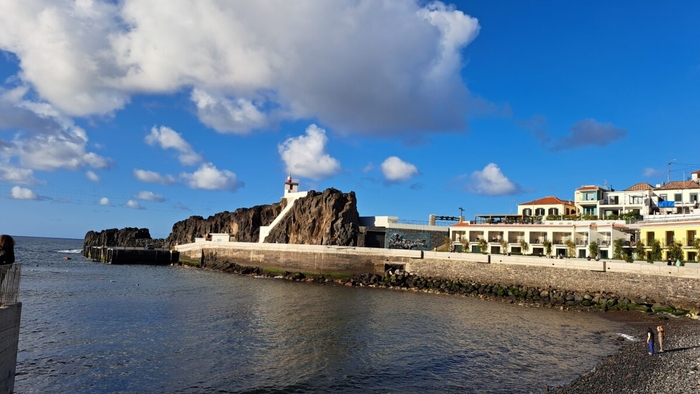
The coastal road connecting these villages is also a great way to explore some of Madeira’s oldest road tunnels, cut through the basalt hills which sweep down towards the coast in order to connect the valleys where the people lived.
There is water-based adventure too, with numerous boat tours available from Funchal’s harbour - you can even take a trip in a replica of former island resident Christopher Columbus’s Santa Maria. Many of the sea excursions focus on whale watching, which is a magical experience. I enjoyed watching pilot whales swimming alongside the boat during a three-hour excursion - other species can also appear, along with the more commonly spotted dolphins.
Madeira has a mild subtropical climate, with temperatures averaging about 20C in winter and in the high twenties in summer, making it an ideal year-round holiday destination. However, the island also enjoys frequent showers, so be prepared for rain, particularly if you are visiting in the off-season from October to April.
Flights are available from Shannon to Funchal every Wednesday and Sunday up to early November. To book visit www.ryanair.com
To find out more about holidays in Madeira see www.visitmadeira.com